ERANDA Forests

We’re creating three ReWild Yourself Community Hubs and ERANDA Forests across the UK
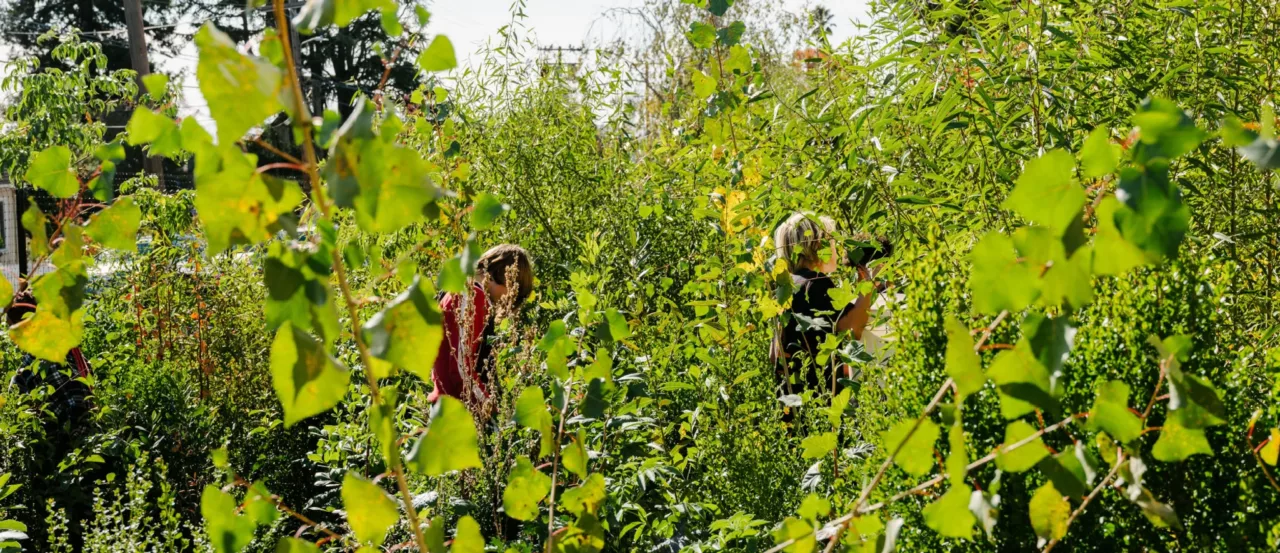
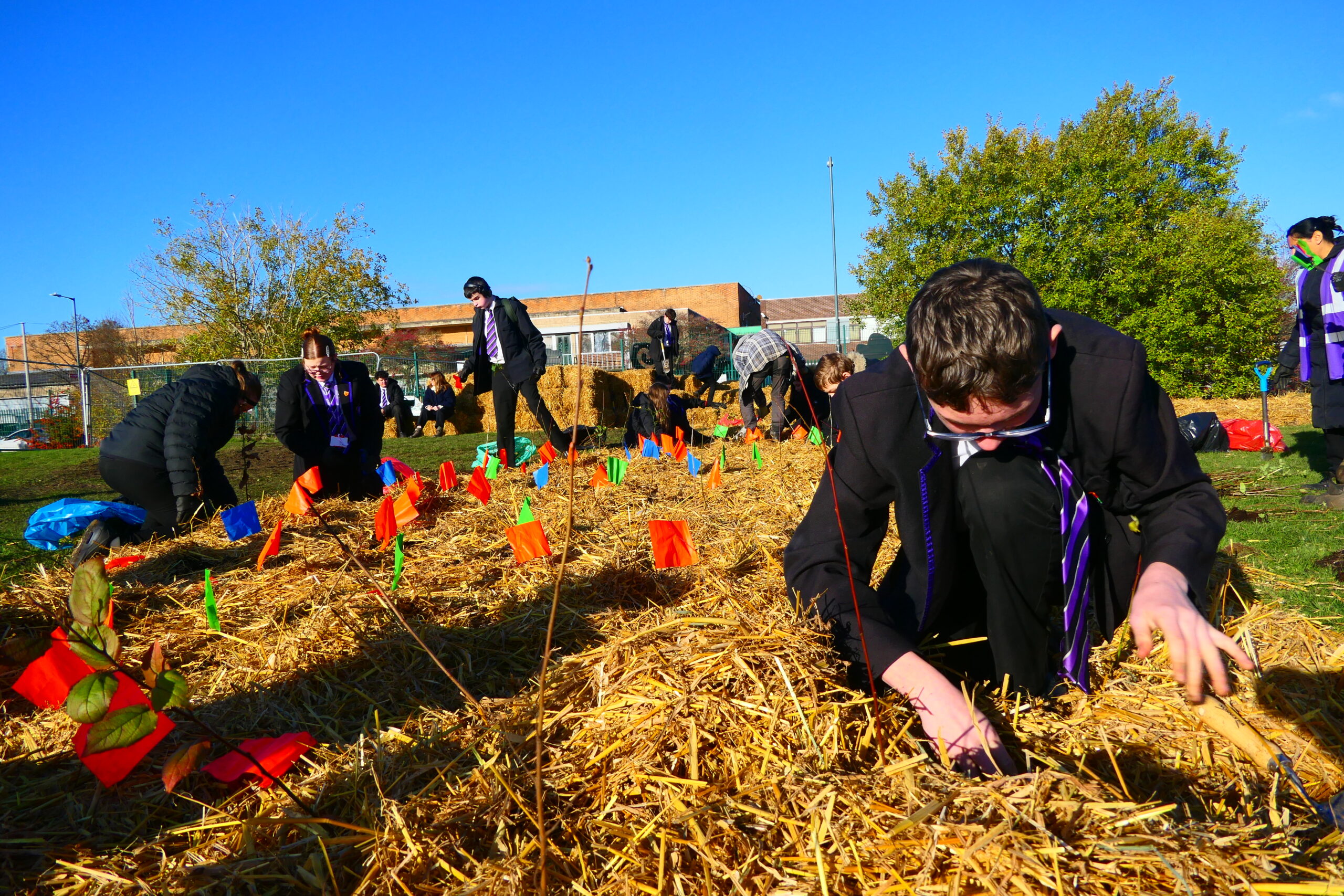
At the heart of the Hubs will be an ERANDA Forest, designed by our forest partner, SUGi, and planted by members of the community. This space will enhance local biodiversity, increase access and connection to Nature whilst supporting the health and wellbeing of local communities.
The ReWild Yourself Community Hubs are supported by The ERANDA Rothschild Foundation.
Who is SUGi?
SUGi is a not-for-profit organisation, providing a 360-degree approach to biodiversity building, ecosystem restoration and re-establishing Nature connections in communities. They have planted over 200 pocket forests across the globe.
The Miyawaki Method
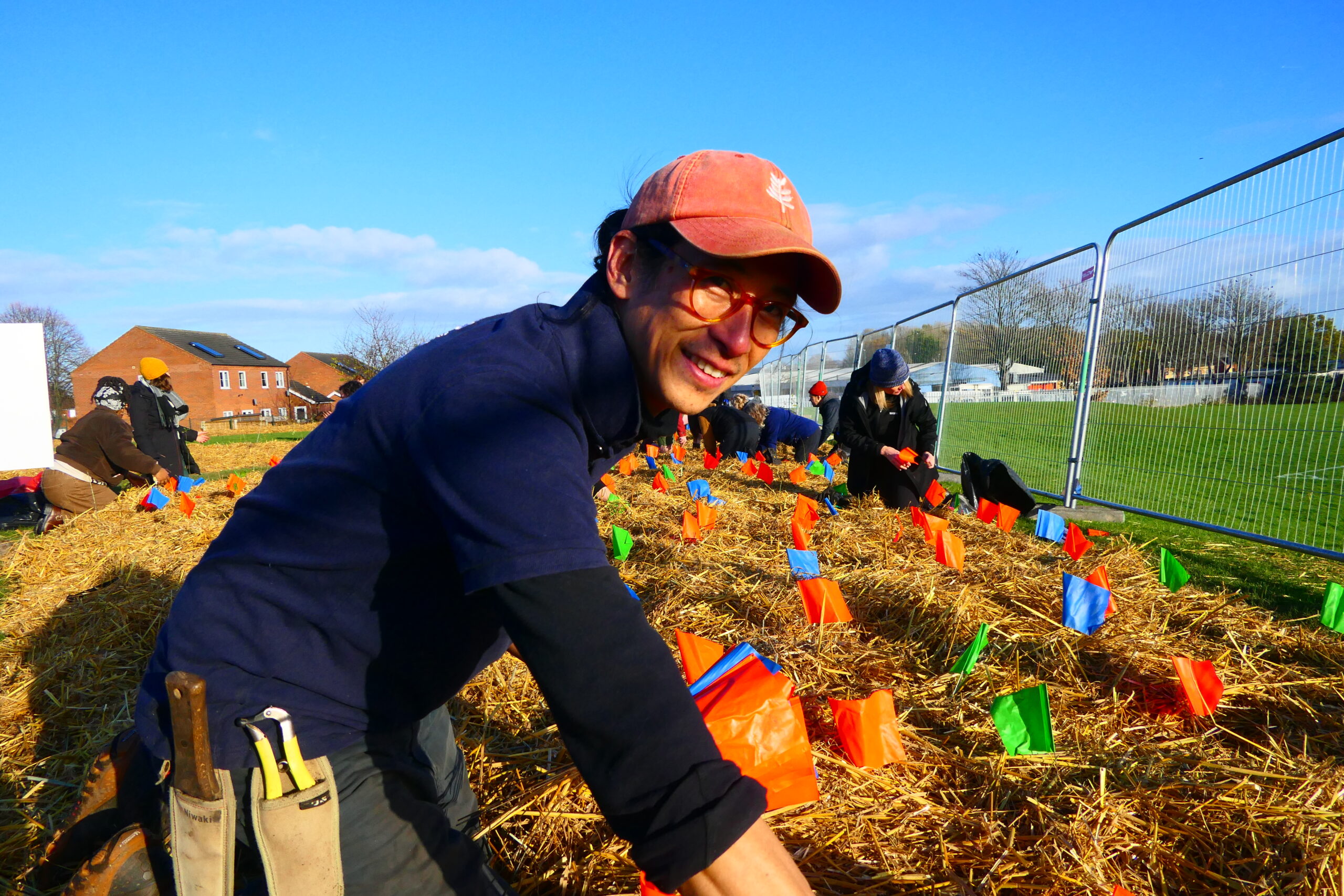
This is a method of tree planting that involves densely planting native tree species. SUGi have utilised the Miyawaki method to successfully plant their forests all over the world, with survival rates of around 90%. Using this method, forests grow quickly and are self-sustaining after three years.
Tree and plant species
We will be planting a mixture of native tree species customised for each location, which will be determined by factors such as species in the area and soil chemistry.
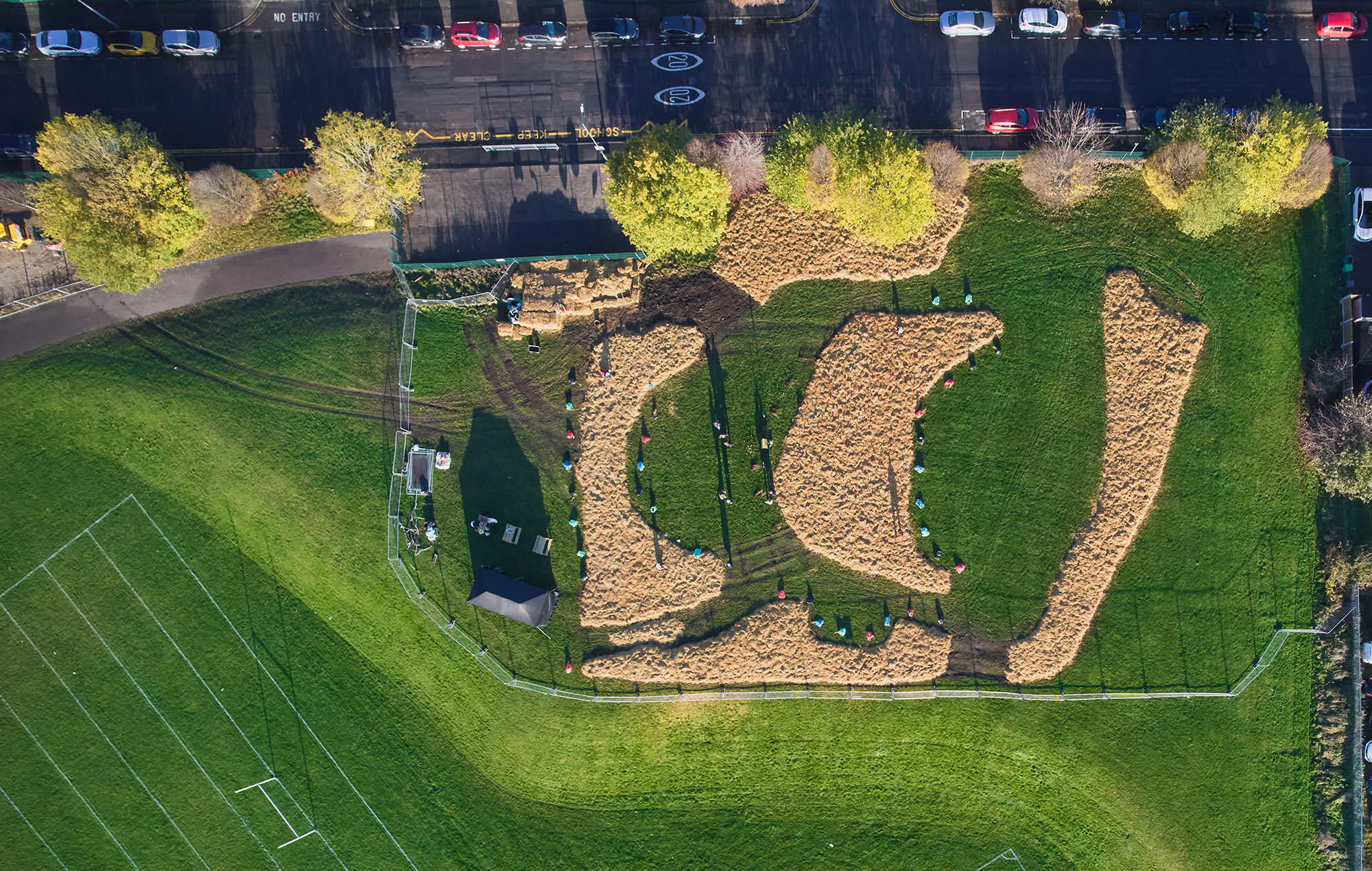
ERANDA Forest, Nottingham
At the Nottingham site, we planted 23 different native species, including English Oak, Hornbeam, Field Maple, Silver Birch, Wild Cherry and Field Rose.
Benefits of planting trees in cities
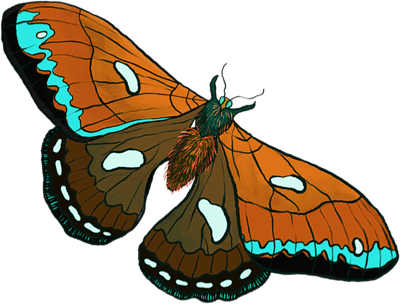
The trees will capture CO2, lowering air pollution in congested cities. The forests will reduce the risk of flooding by increasing infiltration. Further, as they mature, the forests will help to cool city temperatures.
Native fauna
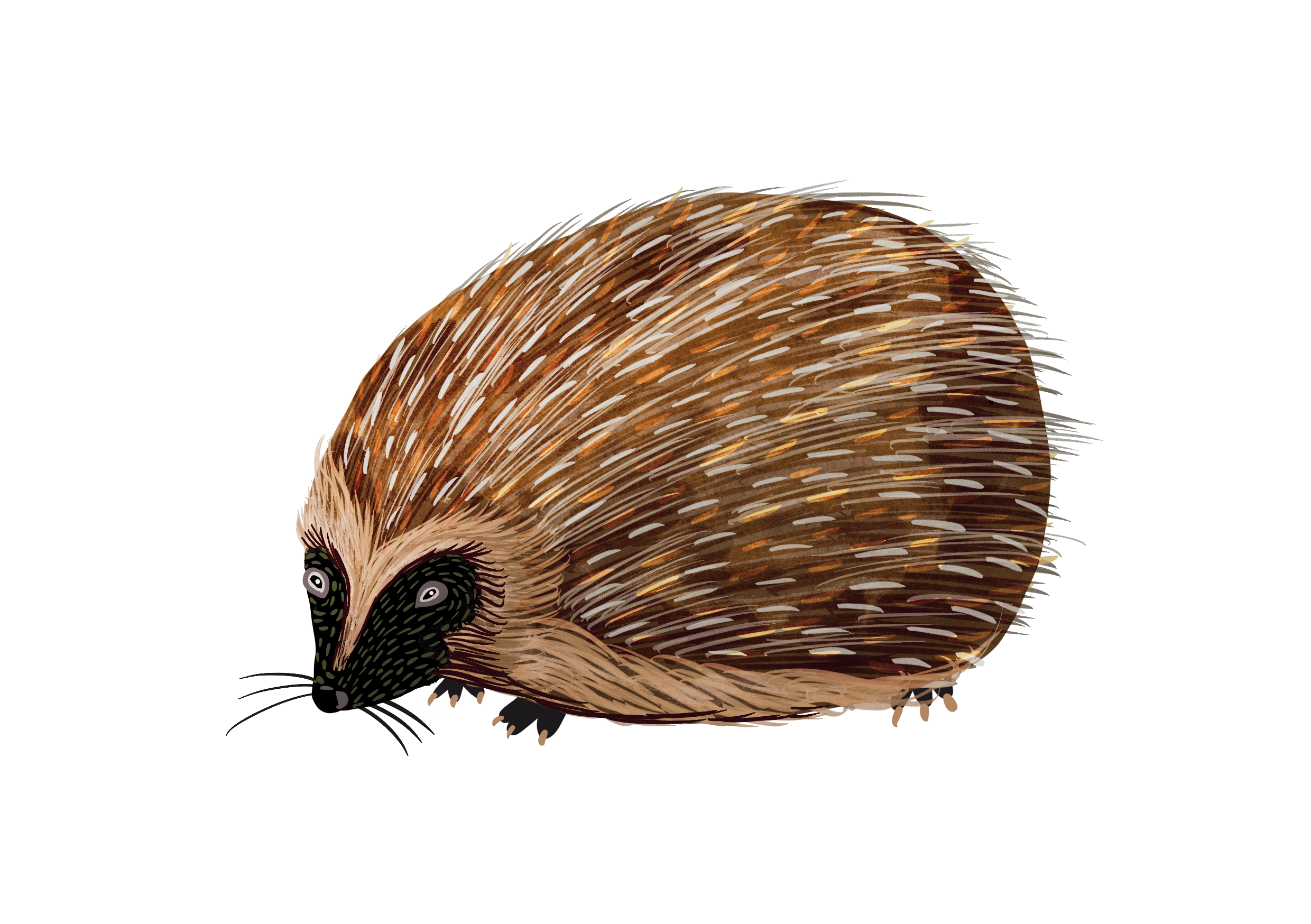
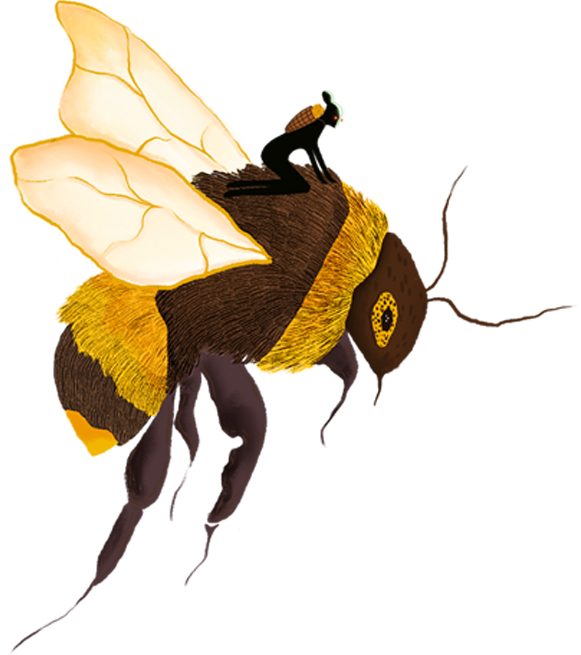
SUGi pocket forests have a proven-history of successfully creating habitats for native fauna to thrive. These include the Red-tailed mason bee — a solitary bee rarely found in the UK. They nest in empty snail shells. Others include the Goldcrest — the UK’s smallest bird, weighing the same as a 20p coin! They live in coniferous and mixed woodlands and can be identified by their yellow (female) and orange (male) crests.

Join Our Community...
Sign up for stories, tips and inspiration from around the globe.